Your dog’s first veterinary visit can shape how they feel about vet appointments for years to come. A little preparation beforehand can make the experience calmer, safer, and easier for both you and your dog.
Rather than waiting until appointment day, start building positive associations with handling, car rides, carriers, and unfamiliar environments in advance. Here’s how to prepare.
A Week Before the Visit
Practice Gentle Handling
Veterinary exams involve touching areas your dog may not be used to having handled, including their paws, ears, mouth, belly, and tail.
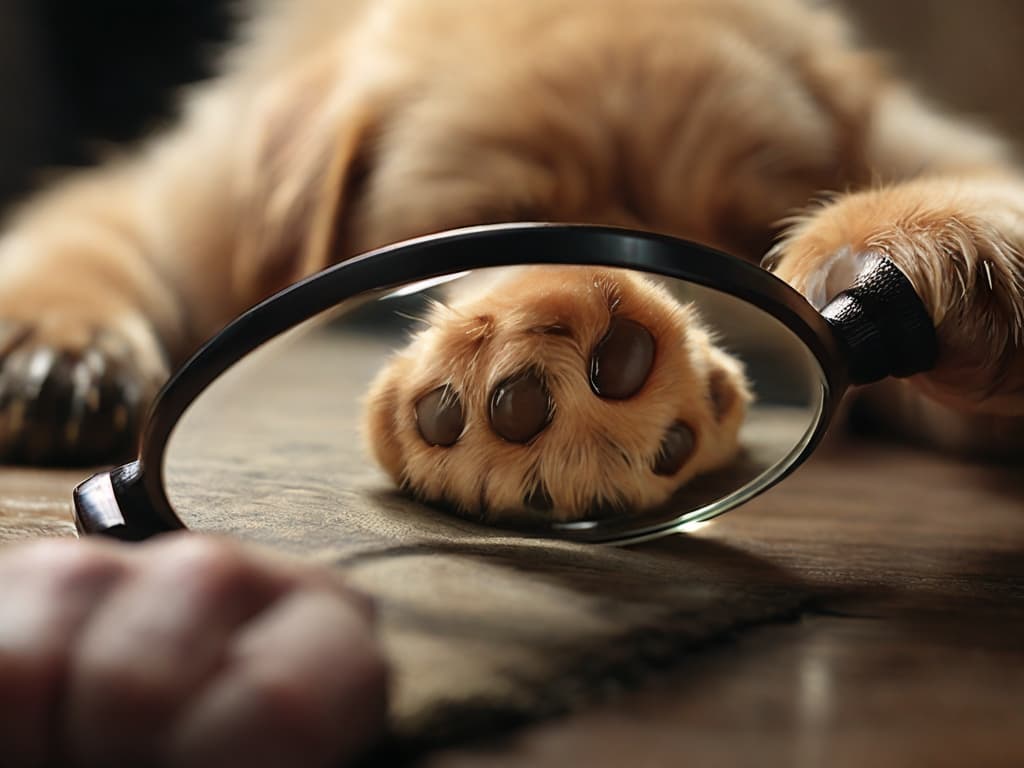
Practice at home in short sessions. Touch one area for a few seconds, reward your dog with a high-value treat, and stop before they become uncomfortable.
You can gradually practice:
- Lifting and touching each paw
- Looking inside the ears
- Gently lifting the lips to inspect the teeth
- Touching the belly and legs
- Holding the collar or harness briefly
- Having your dog stand still for a few seconds
Keep sessions short and positive. The goal is not to restrain your dog, but to teach them that being handled predicts something good.
Take Practice Car Rides
If your dog only gets in the car when something stressful is about to happen, they may quickly learn to dislike car travel.
Before the appointment, take several short drives that end somewhere pleasant. You might drive around the neighborhood, visit a quiet park, or simply return home and offer a treat.
Gradually increase the length of the trips if your dog remains comfortable.
If your dog becomes nauseated, drools excessively, pants heavily, or vomits during car rides, mention this to your veterinarian. Some dogs experience motion sickness and may benefit from additional support.
Make the Crate or Carrier Comfortable
If your dog will travel in a crate or carrier, avoid introducing it for the first time on appointment day.
Leave it open at home with comfortable bedding, treats, or a favorite toy inside. Allow your dog to explore it voluntarily.
You can also feed meals near or inside the crate to create a positive association.
For larger dogs traveling with a harness and seat belt attachment, practice wearing the equipment before the visit.
Before Appointment Day
Ask What You Should Bring
Veterinary clinics may have different requirements for a first appointment. Call ahead or check your appointment instructions.
The clinic may ask you to bring:
- Previous medical records
- Vaccination records
- Adoption or breeder records
- A list of medications and supplements
- Information about your dog’s current diet
- Pet insurance information
- A fresh stool sample
Also prepare a short list of questions or concerns so you do not forget anything during the appointment.
Useful topics might include nutrition, vaccinations, parasite prevention, dental care, grooming, training, exercise, spaying or neutering, and breed-specific health concerns.
Ask About Food Before the Appointment
Do not automatically skip your dog’s meal before a veterinary visit.
Most routine exams do not require fasting, and bringing a slightly hungry dog can sometimes make treats more motivating. However, certain blood tests or procedures may require fasting.
Ask the clinic beforehand if you are unsure.
Consider a “Happy Visit”
Some veterinary clinics allow dogs to stop by briefly without receiving an examination.
During a happy visit, your dog may enter the building, meet staff members, receive treats, explore the lobby, and then leave.
These short visits can help teach your dog that entering the veterinary clinic does not always lead to needles, restraint, or uncomfortable procedures.
On the Day of the Visit
Give Your Dog Some Light Exercise
A short walk or gentle play session before the appointment can help reduce excess energy.
Avoid exhausting your dog, particularly puppies, senior dogs, or dogs with medical conditions. The goal is simply to help them arrive a little more relaxed.
Pack High-Value Treats
Bring treats your dog finds especially exciting, such as small pieces of chicken, cheese, or another veterinarian-approved favorite.
Use tiny portions throughout the visit to reward calm behavior.
If your veterinarian needs to examine your dog’s mouth or perform certain tests, they may ask you to temporarily stop giving treats.
Use Secure Equipment
Veterinary parking lots and waiting rooms can be unpredictable environments.
Make sure your dog wears a properly fitted collar or harness and remains securely leashed. Never rely on carrying a frightened dog through a parking lot unless they are safely contained in a carrier.
Double-check that identification tags and microchip information are current as well.
At the Veterinary Clinic
Give Other Animals Space
Even a normally social dog may feel nervous in a veterinary waiting room.
Keep some distance between your dog and unfamiliar animals. Avoid encouraging greetings unless both owners and clinic staff are comfortable with the interaction.
If your dog becomes overwhelmed, ask whether you can wait outside or in your car until an examination room is available.
Tell the Veterinary Team About Behavioral Concerns
Let staff know if your dog is uncomfortable with specific types of handling or has previously shown fear, growling, snapping, or aggression.
This information helps the veterinary team adjust their approach and keep everyone safer.
Many clinics use low-stress or Fear Free-inspired handling techniques, which may include treats, slower examinations, quieter environments, non-slip surfaces, and minimizing unnecessary restraint.
Know What to Expect
A first veterinary examination may include checking your dog’s:
- Weight and body condition
- Eyes and ears
- Teeth and gums
- Heart and lungs
- Skin and coat
- Abdomen
- Legs and joints
- Temperature
- Vaccination status
- Parasite prevention needs
Your veterinarian may also discuss nutrition, behavior, dental care, microchipping, exercise, and preventive health care.
Knowing what to expect can make the appointment feel less overwhelming for you as well.
After the Visit
End on a Positive Note
Once the appointment is over, reward your dog with something they enjoy.
That might mean a favorite treat, a short walk, playtime, or relaxing at home.
You want the overall experience to end with something positive whenever possible.
Monitor Your Dog
Some dogs may be tired after a veterinary visit, especially after vaccinations.
Follow any instructions provided by your veterinarian and contact the clinic if you notice symptoms they told you to watch for.
Keep any treatment instructions, medication schedules, test results, and follow-up dates organized for future reference.
Reflect on What Worked
Think about how your dog handled the experience.
Were they nervous in the car? Comfortable with the veterinarian but frightened in the waiting room? Sensitive when their paws or ears were touched?
Identifying specific stressors can help you prepare more effectively before the next appointment.
First Vet Visit Checklist
Before leaving home, make sure you have:
- Medical and vaccination records
- Medication and supplement information
- Diet and allergy information
- A secure leash, collar, or harness
- A carrier or crate if needed
- High-value treats
- Waste bags
- A favorite toy or blanket
- A stool sample if requested
- Pet insurance information
- A written list of questions
Make the First Visit a Positive Foundation
Your dog does not need to love every part of going to the veterinarian. The goal is to make the experience as predictable, safe, and positive as possible.
By practicing handling, introducing car rides and travel equipment gradually, bringing familiar rewards, and communicating openly with the veterinary team, you can reduce unnecessary stress and help your dog build confidence.
A successful first appointment is not just about getting through one visit. It can help create healthier veterinary experiences for years to come.